



Learn about and comment on the Searsville Watershed Restoration Project
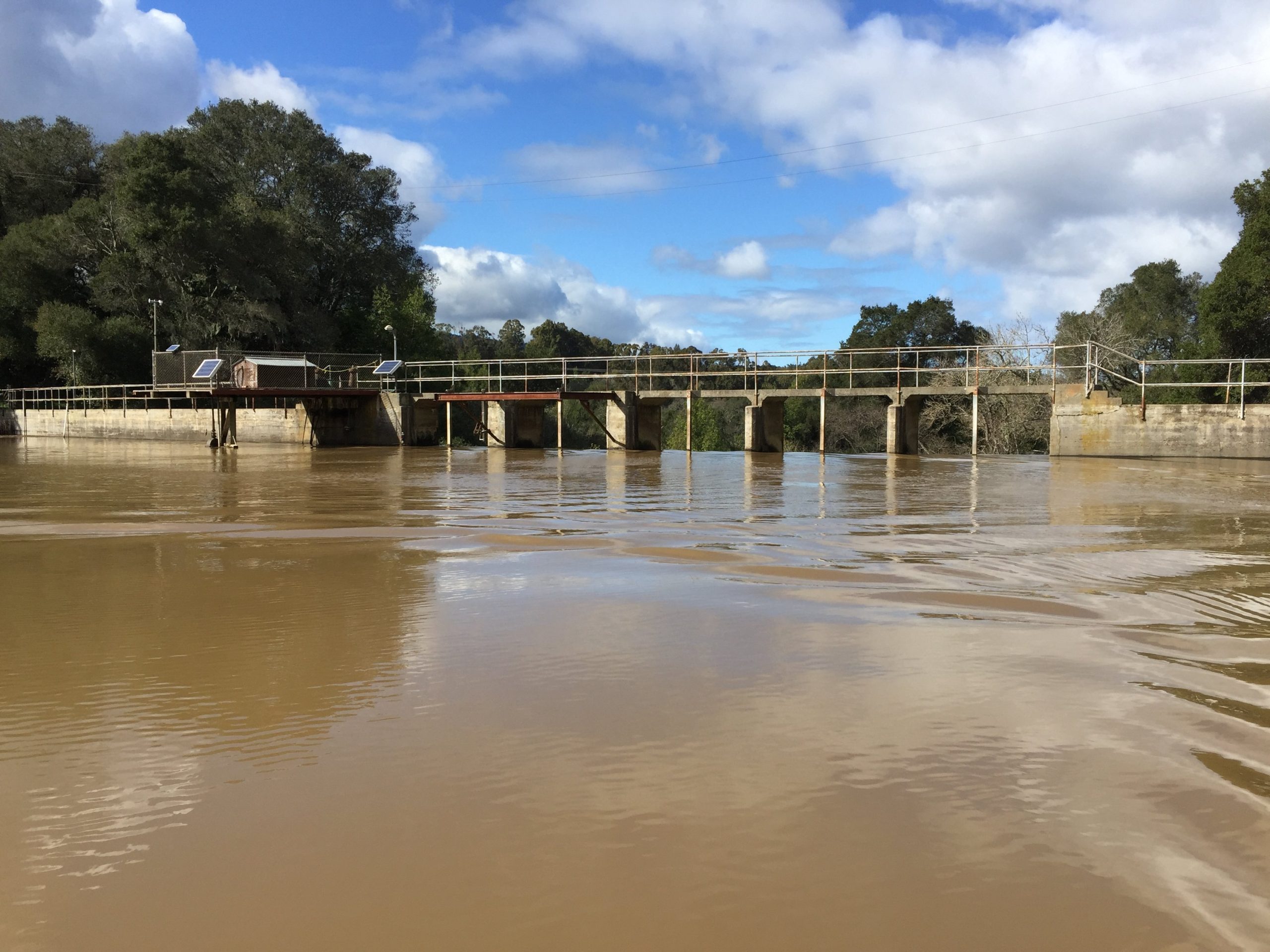
The Searsville Watershed Restoration Project involves:
- Reestablishing natural free-flowing creeks and sediment transport processes
- Establishing fish passage through a tunnel to be constructed through the base of the Searsville Dam
- Restoring streams and riparian habitats immediately upstream of the dam
- Flushing a substantial amount of sediment currently trapped behind the dam
- Replacing the surface water diversion and storage capacity through modifications to the downstream San Francisquito Creek Pump Station and Felt Reservoir
A new 404 permit application was submitted on January 26, 2026.
Interested parties are encouraged to engage in the process, and comments on the Notice of Intent (NOI) and Notice of Preparation (NOP) for the environmental documents are currently being accepted.
Two virtual public scoping meetings will be held on April 7 and April 8, 2026:
Tuesday, April 7, 2026 1:00 to 2:30 pm
Meeting link: https://kearnswest.zoom.us/j/87367664795?pwd=wnm3EeC2TO6bDTlgPP6PbLf2ib0cuA.1 Dial-in Number: 309-205-3325
Meeting ID: 873 6766 4795
Passcode: 939758
Wednesday, April 8, 2026 6:00 to 7:30 pm
Meeting link: https://kearnswest.zoom.us/j/89869392029?pwd=VaMqVfwbbrvmmAA849OFVhiYPrHWL7.1
Dial-in Number: 309-205-3325
Meeting ID: 898 6939 2029
Passcode: 095441
Click here to access the US Army Corps of Engineers Notice of Intent. Comments to the Army Corps are due by April 11, 2026.
Click here to access the Department of Water Resources Notice of Preparation. Comments to the Department of Water Resources are due by April 17, 2026.
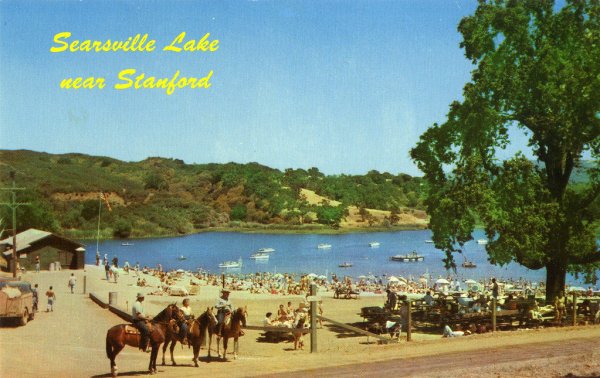
Note: Second image is a historical postcard from the days Searsville was open for recreational use.


Matt Stoecker, Director, Beyond Searsville Dam coalition April 06, 2026 at 6:51 pm
The above project description is highly misleading.
1) The hole-in-dam proposal would not result in a natural, free flowing creek or sediment transport. The dam would remain with a gated tunnel that modifies flows and sediment movement.
2) Fish passage effectiveness through the tunnel (and associated weirs, debris racks, and baffles has been criticized by leading fish passage experts as being uncertain, at best provide passage only under limited flows, subject to debris blockage and fishway damage that prevents any passage (just like Stanford’s chronically sediment filled and impassable Felt Diversion Dam fishway.
3) The plan would periodically inundate and cover the “restoration area” with water silt and debris, compromising the projects stated ecosystem goals and Jasper Ridge’s reputation and research.
4) Instead of building multiple off-stream flood attenuation and groundwater recharge basins, as Stanford’s Water in the West program promotes, this plan is comprised of outdated and destructive surface reservoir storage, building a new dam, and pumping more water out of the creek during critical flow periods.
In addition to the above ecological problems, the plan would turn Stanford into an extremely high liability flood control dam operator with an antiquated water system vulnerable to climate change, droughts, evaporation, sedimentation and dam failure inundation of downstream communities.
There is a much better solution!
Building multiple offstream basins on open Stanford land that reduce flooding, recharge and store groundwater, and provide wetland habitat. This alternative plan has been shown to provide equal or greater flood protect and eliminates the potential for dam failure devestation. It provides unimpeded fish and other wildlife migration and won’t compromise the restoration of Confluence Valley under the reservoir.
It’s time for Stanford and all stakeholders and agencies to demand (in comments noted above) that a better offstream basin plan be pursued and our watershed truly restored in the safest possible way.
Flooding no good April 07, 2026 at 7:03 pm
Hi,
To my understanding, there should be a Bay up approach to the creeks. Furthermore, the San Francisquito creek has had floods in 1998 and 2002 which will not be fully address with the resources given to this project. Wish for greater political will to provide resources to protect peoples homes then a secondary need to flush sediment.